 EN
 HR
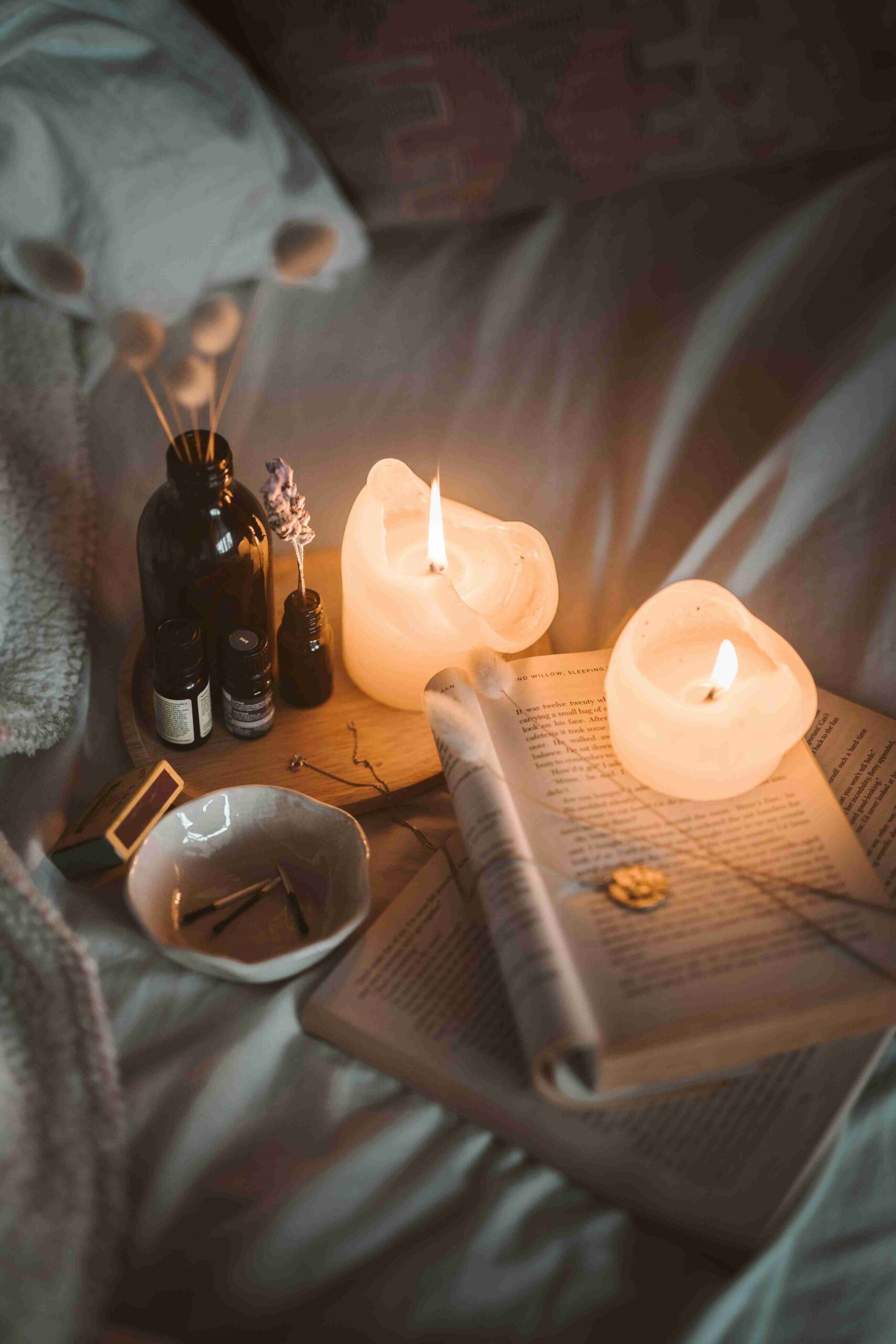
The Surprisingly Busy Business of Sleeping
What actually happens while you’re asleep & why your brain cares so much about getting enough of it: how much sleep you really need, what your brain does with your day, why one bad night changes the next day, what happens when too little sleep becomes the pattern, and the unglamorous things that actually help.
Detailed explains the research and the reasons behind each point. Plain words gives the same main points in short, everyday language. Safety advice and emergency steps are the same in both.
There’s something a little strange about sleep. You spend roughly a third of your life doing it, and yet from the outside it looks like you’re doing almost nothing. You lie down, close your eyes, switch off from the world around you, and several hours later you wake up and carry on with your day. It’s very easy to think of sleep as a pause. Biologically, though, it’s anything but!
While you’re asleep, your brain moves through several very different states. Memories are being sorted and reorganized. Hormones follow different patterns. Your immune system and your sleep are in conversation with each other. Your heart and blood vessels change their workload, your metabolism shifts, and the connections between your brain cells are being adjusted. Even the way you react to emotional things the next day can depend on what happened during the night.
Even how much pain you feel can change depending on how well you’ve been sleeping. So although you’re not consciously doing very much, your body certainly isn’t sitting around waiting for morning. Sleep is a very active biological state, not a pause. You just experience most of that activity from inside a dream, or don’t experience it at all.
If you’d like everything in plainer words, flip the switch above.You’re reading the plain words version. Flip the switch above for the detailed one.
Before lights out
Here are six things worth knowing before the long version.
Here are six things to know first.
- 01
You can get used to too little sleep. That isn’t the same as being fine.
People get surprisingly good at living with too little sleep, and once it’s your normal you may stop noticing how tired you are. Your attention, reactions and memory don’t necessarily adjust with you.
- 02
Sleep is part of learning, not what you do once the work is done.
An all-nighter gives you more hours with the material, but it cuts into the sleep that helps you hold on to it.
- 03
A bad night doesn’t change the problem. It changes the brain you bring to it.
Too little sleep can make you more emotionally reactive, and it can change how the calming parts of your brain talk to the reacting ones. The same hard conversation can simply take more effort to get through.
- 04
Poor sleep can make pain hurt more.
Losing sleep can make you more sensitive to pain, and in people living with long-term pain, poor sleep and more pain keep turning up together. Your body probably hasn’t changed. The way your brain processes the signals may have.
- 05
Your ring is not a sleep laboratory.
Wearables guess at your sleep from movement and heart rate. They’re reasonable at telling how long you slept and much weaker at telling REM from deep sleep. There’s even a word, orthosomnia, for worrying yourself out of sleep over the numbers!
- 06
Lying awake for months isn’t a willpower problem.
Insomnia can keep itself going: you go to bed expecting not to sleep, start counting the hours left, and your bed stops meaning sleep. That’s why CBT for insomnia is a first treatment, rather than a longer list of sleep hygiene rules.
- 01
- 02
- 03
- 04
- 05
- 06
The long version explains what each of those rests on, and where the evidence stops. That includes the parts sleep science hasn’t settled, which is more of it than the internet suggests, and the plain, everyday things that help most.
The parts below go through each of these, along with what sleep science hasn’t worked out yet and the everyday things that help most.
WHAT THIS ARTICLE COVERS · EIGHT PARTS
PART 1The hours are not the whole story2 sections · 2 min2 min
PART 2Two systems decide when you sleep3 sections · 3 min2 min
PART 3Your brain is working on the day3 sections · 3 min2 min
PART 4A bad night changes the next day2 sections · 2 min1 min
PART 5Your body is not resting either3 sections · 2 min1 min
PART 6What else the night is working on4 sections · 3 min2 min
PART 7When not enough becomes the pattern4 sections · 4 min3 min
Hour 1 of 8
The hours are not the whole story
How much you need varies, and the night is not one single state
In plain words
Sleep medicine organizations recommend that most healthy adults regularly get at least 7 hours of sleep, and around 7 to 9 hours is a reasonable range for many adults. Eight hours sits in the middle of that range, which is probably one reason it’s such a familiar number. Nothing special happens at exactly 8 hours, though. Your brain doesn’t wake up at 7 hours and 59 minutes thinking, “Unfortunately, we were hoping for another minute.” How much sleep you need depends on things like your genes, your age and your health, and it can change over your life.
How much you need and how much you’re used to can be very different. Your focus, your reactions, your memory and how well you handle your feelings don’t necessarily adjust with you.
Sleep also comes in stages. NREM sleep (non-rapid eye movement) runs from light sleep down into deep sleep. In REM sleep (rapid eye movement), your brain is fairly active, your eyes move quickly and most of your muscles are held still. You go through these stages several times a night, and the mix changes as the night goes on.
So, how much sleep do we actually need?
Let’s start with the number everyone wants to know.
Sleep medicine organizations recommend that most healthy adults regularly get at least 7 hours of sleep, and around 7 to 9 hours is a reasonable range for many adults. Eight hours sits nicely in the middle of that range, which is probably one reason it’s become such a familiar number.
But there’s no biological switch that flips at exactly 8 hours. Your brain doesn’t wake up at 7 hours and 59 minutes thinking, “Unfortunately, we were hoping for another minute.” How much sleep you need varies from person to person, and it can change over your life. Your genes, age, health, how active you are, your surroundings and more all play a part. Some people genuinely do well on a bit less sleep than average, while others need a bit more.
There’s also an important difference between how much sleep you need and how much you’ve gotten used to getting. People can get surprisingly good at living with too little sleep for a long time. You may stop noticing quite how tired you are, especially once not sleeping enough has become your normal. That doesn’t necessarily mean your attention, reaction time, memory or ability to manage your emotions have gone back to normal.
In other words, feeling like you’ve adapted to 6 hours doesn’t necessarily mean 6 hours is enough for you.
Sleep isn’t one single state
When you say, “I slept for 8 hours,” it sounds as if sleep was one continuous thing. It isn’t! Through the night, your brain cycles through different stages of sleep, broadly split into NREM sleep, which stands for non-rapid eye movement sleep, and REM sleep, rapid eye movement sleep. NREM includes several stages, going from lighter sleep down into deeper slow-wave sleep. REM is a different state altogether: your brain is fairly active, your eyes move quickly, and most of the muscles you move with are strongly held still.
One night, five cycles
schematicsimplified
The night runs left to right. Drag the handle at the right hand edge to end it earlier.The night runs from left to right. Drag the handle on the right to wake up earlier, and see how much deep sleep and REM you still get.
N1 and N2 are lighter sleep, and N3 is deep sleep. REM is the stage most linked to vivid dreams.
8h00
Lights out at 11pm, awake at 7:00am
A drawn night, not a measurement. How much of each stage a real night holds, and where it falls, varies between people and between nights.A drawing of the idea, with no real data in it. Real nights vary from person to person and from night to night.
This is one reason sleep is more complicated than counting the hours. When those hours happen matters too.
Hour 2 of 8
Two systems decide when you sleep
The circadian clock, the pressure that builds while you are awake, and what caffeine actually does to it
In plain words
Two systems decide when you feel sleepy.
The first is your body clock, called the circadian rhythm. It runs on a cycle of roughly 24 hours. The main clock is a tiny group of cells in your brain called the suprachiasmatic nucleus, and light is one of the main ways it tells the time of day.
Your brain has an internal clock
Sleep is closely tied to your circadian rhythm, the roughly 24-hour timing system that helps organize sleep and wakefulness, along with a huge number of other processes in your body. One of the main parts of this system is the suprachiasmatic nucleus, a tiny group of brain cells in the hypothalamus that acts as a kind of master clock.
Light is one of its most important signals.
- SignalIt starts withLight
- SensorPicked up byThe retinaThe retina, at the back of your eye
- PacemakerSent toThe suprachiasmatic nucleusYour brain’s master clock, the suprachiasmatic nucleus
- DownstreamWhich then timesMelatonin, alertness, temperatureMelatonin, how alert you feel, body temperature
Your organs keep their own daily rhythms too, for things like hormones, body temperature, your immune system and how your body uses energy.
The second is sleep pressure. While you’re awake, a chemical called adenosine slowly builds up in your brain and adds to the feeling of sleepiness. While you sleep, the pressure goes back down.
And the brain’s clock isn’t working alone. There are daily rhythms all through your body, in your organs and tissues too. Metabolism, hormones, body temperature, immune activity and lots of other processes each have their own daily patterns. So sleep isn’t simply about getting tired enough. Two important systems are at work together: sleep pressure and circadian timing.
Two systems, one clockWhat makes you sleepy, and what keeps you alert
7am to 7am
Caffeine works mainly by blocking the spots in your brain that pick up adenosine. You feel less sleepy, but the pressure is still there, and you still need the sleep (sorry, coffee lovers).
When you fall asleep and sink into deep sleep, big groups of brain cells start firing together, in time. On a brain recording, this shows up as large, slow waves, which is why deep sleep is also called slow-wave sleep. This is one of my favorite parts of sleep, because the sleeping brain is doing some very specific work with information. Sleep seems to be an important part of how your brain sorts through the day, working out what to keep and what can fade.
Why does sleep pressure build?
One of the molecules behind sleep pressure is adenosineadenosineA small molecule that accumulates in the brain across the hours you are awake. Its build-up is one of the signals the brain uses to register how long you have been awake.. While you’re awake, adenosine slowly builds up in your brain and adds to the feeling of sleepiness. While you sleep, that pressure goes down. This is part of why caffeine makes you feel more alert. Caffeine mainly works by blocking adenosine receptors, so your brain can’t pick up some of that sleep pressure. It doesn’t remove your need for sleep. Caffeine makes the sleepiness less noticeable, not less real.
Which is handy when you need to function, but it’s also why caffeine can give you the slightly misleading feeling that the problem has been solved. You haven’t necessarily become less sleep deprived. You may simply feel it less (sorry, coffee lovers).
And then you fall asleep
As you drift from being awake into NREM sleep, your brain activity changes a lot. In deeper NREM sleep, especially slow-wave sleep, large groups of brain cells start firing together, in sync. On an EEG, a recording of the brain’s electrical activity, this shows up as the big, slow waves that give slow-wave sleep its name. This is one of my favorite parts of sleep, because the sleeping brain is doing some very specific work with information.
During the day, you take in an enormous amount of information. Most of it doesn’t matter. Some of it matters. Some of it matters a lot. Your brain has to work out what to keep, what to connect with what you already know, what to strengthen and what can fade into the background. Sleep seems to be an important part of how your brain sorts through the day.
Hour 3 of 8
Your brain is working on the day
Memory consolidation, why all-nighters cost more than they buy, and what REM is still not explaining
In plain words
When you learn something new, the memory starts out fragile. While you sleep, your brain goes over parts of the day, and that helps you remember what you learned. This is called memory consolidation. It can make memories steadier and help fit new things in with what you already know.
NREM sleep, especially deep sleep, seems to play a big part in this, and REM sleep plays a part too. Exactly which stage does what is still being worked out, and it’s less neat than the popular idea of one stage for facts and another for feelings.
That’s why an all-nighter before an exam is a poor trade. You get more hours with your notes, but you lose some of the sleep that helps you hold on to them. Staying up doesn’t mean you’ll fail, and sometimes life does hand you a bad night. When learning is the goal, sleep is part of the learning process!
Your brain doesn’t just “store” memories
It’s tempting to talk about memory as if your brain were a computer with a folder called IMPORTANT THINGS TO REMEMBER. It’s much more complicated than that. When you learn something new, the first version of the memory is fairly fragile. Then, while you sleep, the brain patterns linked to recent experiences can be replayed and can interact with other brain systems.
This process, broadly called memory consolidation, can make memories more stable and help fit new information in with what you already know. NREM sleep, especially its slow waves and its sleep spindlessleep spindlesShort bursts of fast, rhythmic brain activity, roughly a second long, that appear on an EEG during lighter NREM sleep., seems to play an important role in several parts of it. REM sleep is involved in learning and memory too, although the old idea that NREM is simply for facts and REM is simply for emotions or dreams is far too neat.
Different kinds of memory seem to connect with different parts of sleep, and the processes overlap rather than sitting in neat, separate boxes.
It’s part of why sleep matters so much for learning. The work isn’t finished when you close the textbook.
This is why all-nighters are such a questionable strategy
Imagine spending a whole night studying before an exam. On paper, it looks productive: you’ve gained several extra hours with the material. But those hours came out of your sleep, and sleep is itself involved in learning, memory, attention and the thinking skills you use to plan and focus. So there’s a slightly unfortunate trade-off going on.
You’re giving yourself more time to put information into your brain, while cutting into some of the processes that help you use it well. That doesn’t mean staying up before an exam guarantees you’ll fail. People are resilient, and sometimes life really does ask you to get through a bad night.
It does mean that when learning is the goal, sleep isn’t just the thing you do after the important work is done. Sleep is part of the learning process!
If you have an exam coming up
- Where you can, do most of the studying earlier, so the night before can include sleep.
- Count the sleep after studying as part of studying, not time taken away from it.
- If you do end up with a short night, go easy on yourself. One night won’t decide everything.
REM is the stage most linked to vivid dreams, although you can dream in other stages too. During REM, some of your brain activity looks a lot like being awake, while most of your muscles are held still. That’s one of the things that stops you acting out most of your dreams (which, depending on your dreams, is probably for the best).
And then there is REM sleep
REM sleep is the stage most linked to vivid dreaming, although you can dream during NREM sleep too. During REM, some of your brain activity looks surprisingly like being awake. At the same time, most of your muscles are strongly held still, which is one of the things that stops you from acting out most of your dreams (which, depending on your dreams, is probably for the best).
Why we dream at all is still an open question. Scientists have several interesting ideas, and none of them can be called the answer yet. Science is allowed to say, “We’re not sure yet.”
REM sleep has been linked to memory, emotional processing and parts of learning, although exactly what REM does is still being worked out. That matters, because sleep science is full of things that are well established, things that are strongly supported but still being refined, and things that are genuinely unresolved.
Dreaming is a good example. We know a lot about when dreaming happens and which parts of the brain are involved. We still don’t have one agreed answer to the much bigger question of why we have dreams at all. There are some really interesting theories, involving memory, emotion, practicing for threats, the brain making predictions and spontaneous brain activity, but none of them can be called the answer yet.
Science is allowed to say, “We’re not sure yet.”
Hour 4 of 8
A bad night changes the next day
More reactive emotions, more regulatory effort, and the loop between stress and sleepBigger reactions, more effort to stay calm, and how stress and sleep affect each other
In plain words
After a bad night, things can hit you harder. Studies have found that too little sleep can make you more emotionally reactive. The amygdala, a small part deep in your brain that helps pick out what matters emotionally, can react more strongly. Its link with the calming areas at the front of your brain can change too.
Sleep deprivation doesn’t make you irrational, but when you’re tired, the same moment can take more effort to handle. Something mildly annoying can feel much more irritating, and you may have less patience and less room to pause before you react. After a good night’s sleep, the same situation can feel easier. Sleep may not have changed the problem at all. It may have changed the brain you’re bringing to it. So after a bad night, remember it may be partly the tiredness talking. If you can, save the difficult conversation for a day when you’ve slept.
Stress and sleep also affect each other. Stress can get in the way of sleep, and poor sleep can make your stress system harder to settle the next day. Research suggests poor sleep can make some of your body’s stress responses stronger. That can turn into a loop, where you feel more overwhelmed and the next night is harder too. This is one reason sleep problems that keep coming back deserve more than being told to “relax.”
Sleep changes the way you process emotions
If a bad night has ever left the next day feeling strangely different, there’s a reason for that. Losing sleep changes the way you process emotions.
Experiments have found that too little sleep can make you more emotionally reactive, and can change how the parts of the brain that create emotional reactions talk to the parts that help calm them down. The amygdalaamygdalaA pair of small structures deep in the brain that help pick out what is emotionally significant and set a response going. It works as part of a network rather than as a fear center on its own., for example, can react more strongly to emotional things after sleep deprivation, while its connection with the regulating areas at the front of the brain can change.
Sleep deprivation doesn’t make you irrational, but the same emotional experience can take more effort to handle when you’re tired.
- Something mildly annoying may feel much more irritating.
- A difficult conversation may feel harder to get through.
- A small problem may seem disproportionately important.
You may have less patience, less flexibility and less ability to pause before you react. And after a good night’s sleep, the exact same situation can sometimes feel noticeably easier to handle. Sleep may not have changed the problem at all. It may have changed the brain you’re bringing to it. So after a bad night, it can help to remember that it may be the tiredness talking, and, if you can, to save the difficult conversation for a day when you’ve slept.
Sleep and stress have a complicated relationship
Stress can get in the way of sleep, and poor sleep can make your stress system harder to settle. The hypothalamic-pituitary-adrenal axis, usually shortened to the HPA axis, is one of your body’s main systems for responding to stress. Cortisol, one of its best-known hormones, follows a strong daily rhythm, and healthy sleep and daily rhythms help keep that pattern organized.
Disrupted sleep can change how your stress system responds, and research suggests poor sleep can make some of your body’s stress responses stronger.
This can turn into a rather unpleasant loop.
- You are stressed, so you don’t sleep well.
- You don’t sleep well, so your nervous system is more reactive the next day.
- You feel more overwhelmed.
- Then you have another difficult night.
This is one reason sleep problems that keep coming back deserve more than being told to “relax.”
Hour 5 of 8
Your body is not resting either
Immune signaling, glucose and appetite, and a cardiovascular system working under different conditionsYour immune system, blood sugar and appetite, and your heart at night
In plain words
Your immune system and your sleep affect each other. Sleep changes the signals your immune system sends around your body. When you’re ill, you often feel sleepy. That’s part of how your body responds to illness, and those changes in your sleep may help support your immune system. Long-term poor sleep has been linked to changes in inflammation. It’s a complicated relationship, and inflammation isn’t simply “bad” or something to get rid of.
Sleep also affects your metabolism, which is how your body uses food for energy. Too little sleep can affect how your body handles blood sugar. It can also change your appetite and the food you choose. You may have read that it all comes down to two hunger hormones, and the real picture is more complicated. Over time, regularly sleeping too little is linked to a higher risk of obesity and type 2 diabetes. That link runs both ways, and lots of other things play a part, so sleep is one piece of the puzzle and no magic weight-loss tool.
In healthy NREM sleep, your heart rate and blood pressure usually drop. Your heart is still working, under a different set of conditions. Regularly short or broken sleep has been linked to a higher risk of high blood pressure, heart disease and stroke. A link doesn’t automatically mean poor sleep causes every heart problem, because poor sleep often comes along with other things that affect the heart, like obesity, depression, sleep apnea, long-term stress and shift work. Even so, the evidence is strong enough that sleep is more and more seen as part of heart health.
Your immune system is involved too
Your immune system doesn’t clock out just because you’ve gone to bed. Sleep and your immune system are closely connected, and in both directions.
Sleep affects immune signaling, including the activity of various cytokinescytokinesSmall signaling proteins that immune cells use to communicate with each other and with the rest of the body. Some raise inflammation and some settle it down. and immune cells. At the same time, when your immune system is switched on, your sleep can change.
Think about what happens when you’re ill. You often feel sleepy, sluggish and much more interested in lying down. That isn’t necessarily your body being inefficient. Sleep is part of how your body responds to illness, and those changes in sleep may help support your immune system. Long-term sleep disruption, meanwhile, has been linked to changes in inflammation and immune signaling.
It’s a complicated relationship, and inflammation isn’t simply “bad” or something to get rid of. Immune signaling is essential for a healthy body. But the bigger point is fairly simple: Sleep and your immune system are in constant conversation.
Sleep also affects metabolism
This is where sleep starts to matter for almost every part of your health. Too little sleep can affect how your body handles blood sugar, how well it responds to insulin, your appetite, what you eat, and your autonomic nervous system, the part that runs things like your heart rate without you thinking about it. You’ll often read online that sleep controls two simple hormones, one that makes you hungry and one that makes you full, like a little hormonal remote control. It’s more complicated than that.
Leptin and ghrelin are involved in appetite, but human studies don’t always show the clean pattern that popular explanations suggest. Losing sleep can affect appetite in several overlapping ways, including changes in how your brain responds to reward, the food you choose, blood sugar and hormones. Over time, regularly not getting enough sleep is linked to a higher risk of obesity and type 2 diabetes, although the relationship runs both ways and lots of other things play a part. So sleep is one piece of metabolic health, not a magic weight-loss tool.
Your heart works differently at night too
During healthy NREM sleep, your heart rate and blood pressure usually drop compared with when you’re awake. Your autonomic nervous system shifts its balance, and your heart has a different workload. Again, that isn’t the same as your heart simply “resting.” It’s working under a different set of conditions. Regularly short or broken sleep has been linked to a higher risk of high blood pressure, heart disease and stroke.
There’s an important caveat here. A link doesn’t automatically mean that poor sleep directly causes every heart problem seen in large population studies. Sleep problems often come alongside other things, like obesity, depression, sleep apnea, long-term stress and shift work, and those affect heart health themselves.
Still, the evidence is strong enough that sleep is more and more seen as part of heart health, rather than a separate lifestyle issue.
Hour 6 of 8
What else the night is working on
Waste clearance, pain, skin and hormones, and where the popular version runs ahead of the evidence
In plain words
You may have heard that your brain cleans itself while you sleep. There’s real science behind the idea. Some animal studies found that the fluid around the brain moves through it more during sleep and carries more waste away. A recent study in mice found the opposite, though. Even the animal evidence is still argued over, and in humans it’s less settled still.
The brain may also be doing some housekeeping
You may have heard the phrase:
“Your brain cleans itself while you sleep.”
It’s a very appealing idea, and there’s a real scientific story underneath it, involving the glymphatic systemglymphatic systemA proposed route by which cerebrospinal fluid moves through brain tissue and carries waste products away. Much of the direct evidence so far comes from animal studies. and the way cerebrospinal fluid, the fluid around your brain, moves through it. Some animal studies have found that this fluid movement and waste clearance increase during sleep. That has led to a lot of interest in whether sleep helps the brain clear away waste and keep its environment in balance. But a recent mouse study found the opposite. Even the animal evidence is still argued over, and in humans it’s less settled still.
There’s evidence linking sleep with how cerebrospinal fluid moves and with processes that might be involved in clearing waste, but exactly how it works, how big the effect is and how much it matters for health in humans are all still being studied.
A little too tidyToo simple
Eight hours of sleep literally “flushes the toxins out of your brain.”
Interesting scienceWhat the research says so far
Sleep seems to support some important ways your brain keeps its environment in balance.Sleep seems to help keep your brain’s inner environment in balance. How much it clears waste in people is still being studied.
Sleep and pain affect each other. Pain can make it hard to sleep, and losing sleep can make you more sensitive to pain. Studies of people living with long-term pain keep finding the same link. Pain is something your nervous system puts together from lots of information, including your body, your surroundings and what your brain expects, and sleep affects your nervous system. So after a bad night, your body isn’t necessarily more damaged. Your brain may be handling the signals differently.
Your skin is part of your body (shocking, I know), so it has daily rhythms too. There’s growing evidence that poor sleep can affect it, although that research is much less certain. Hormones follow the night as well. Growth hormone is closely tied to deep sleep, and melatonin, a hormone that helps tell your body it’s night, rises in the evening when the lights are low. Good sleep is about how long you sleep, and also when, how regularly, how unbroken and how good it is.
Some of this is well established, like the effect of too little sleep on attention, mood, learning and physical health. Other questions are still open, such as what dreams are for and how much sleep cleans the human brain. There isn’t one single explanation yet for why we sleep at all, and that’s one of the things I find most interesting about sleep science!
Sleep can change pain sensitivity
Sleep and pain have a particularly interesting relationship, because it goes both ways. Pain can make it hard to sleep. But poor sleep can also make you more sensitive to pain.
Experiments have found that losing sleep can make people more sensitive to pain, and research in people living with chronic pain keeps finding a link between disturbed sleep and more pain.
That makes sense once you remember that pain isn’t simply a direct readout of damage in your body. Pain is an experience your nervous system creates after putting together information from your body, your surroundings, and your brain’s predictions and expectations. Sleep affects that nervous system. So after a poor night’s sleep, your body hasn’t necessarily become more damaged.
Your brain may simply be processing the signals differently. That’s why sleep can matter so much for people living with pain that doesn’t go away.
Your skin has a clock too
Your skin follows daily rhythms too. Things like its protective barrier, blood flow, temperature control, cell growth and parts of repair all change across the day. There’s growing evidence that disrupted sleep can affect the skin’s barrier, inflammation and parts of skin aging, although this is nowhere near as well established as the research linking sleep to thinking or heart health.
So no, eight hours of sleep won’t magically give you perfect skin. But it would also be wrong to think sleep has nothing to do with your skin. Your skin is part of your body (shocking, I know). So it’s not really surprising that your skin responds to the same daily rhythms as the rest of you.
Hormones follow the night too
Sleep and your hormones are closely intertwined. Growth hormone release is strongly tied to slow-wave sleep. Cortisol follows a daily rhythm. Melatonin rises in the evening, as long as the lights are low, and helps tell your body it’s night. Other hormones are shaped by the way sleep, your body clock, eating and being awake all interact. This is another reason why sleep timing matters.
Two people could spend exactly the same number of hours asleep on very different schedules, and those schedules can fit differently with their body clocks. So sleep health isn’t only about how long you sleep. It’s about how long, when, how regularly, how unbroken and how good your sleep is.
We know that too little sleep affects attention, mood, learning and several parts of physical health. We have strong evidence that how long you sleep matters, and more and more evidence that timing and regularity matter too.
Other areas are more tentative. What dreaming is for is still debated. The human version of the “brain cleaning” story is fascinating, but nowhere near as settled as social media sometimes makes it sound. And there isn’t one single explanation for why we sleep in the first place. That isn’t a weakness of sleep science. It’s one of the things I find most interesting about it! The more we learn, the clearer it becomes that sleep isn’t one simple function waiting to be explained.
Hour 7 of 8
When not enough becomes the pattern
One bad night isn’t the problem, trackers aren’t sleep laboratories, and some of this isn’t insomnia at all
In plain words
One short night isn’t a disaster. Really! Your body is good at recovering from the odd bad night. The bigger worry is when too little sleep, or broken sleep, becomes the pattern. Over time, that’s been linked to poorer attention, slower reactions, weaker focus, changes in metabolism, heart risk and poorer mental health.
Sleeping longer on the weekend does help you recover. It isn’t necessarily the same as getting enough sleep all week, though, and researchers are still working out how fully the effects of long-term sleep loss reverse. So if your week looks like this:
What happens when you regularly don’t get enough?
One short night isn’t a catastrophe. Really! You can sleep terribly because of travel, stress, an exam, a baby, illness, a noisy neighbor or no reason you can find at all. Your body is remarkably good at recovering from the odd bad night. The bigger concern is when too little or broken sleep becomes the pattern.
Regularly getting too little sleep has been linked to poorer attention, slower reactions, weaker planning and focus, changes in metabolism, heart risk and poorer mental health.
And one of the stranger things about long-term sleep loss is that how you feel doesn’t always keep up with how you’re actually doing. You may feel like you’re functioning normally because you’ve gotten used to your baseline. That’s very different from knowing your baseline is the best it could be.
Can you just catch up on the weekend?
Extra sleep after a run of short nights really does help. If you’ve been sleeping too little, letting yourself sleep longer can help you recover. But weekend catch-up sleep isn’t necessarily the same as getting enough sleep all week. Different effects recover at different speeds, and researchers are still working out how completely the effects of long-term sleep loss reverse once you’re sleeping normally again. So if your week looks like this:
Monday to Friday: survive
Saturday + Sunday: hibernate
Then your body will probably appreciate the weekend sleep, but it would likely prefer a bit more consistency through the week. Sleep isn’t really designed as a weekly accounting system.
Sleep trackers in watches and rings guess at your sleep from your movement and heart rate. They’re fairly good at telling how long you slept and much less accurate at telling the sleep stages apart.
Worrying too much about perfect sleep scores even has a name, orthosomnia, and it can make sleep harder.
then your body will probably appreciate the weekend sleep, but it would likely prefer a bit more consistency through the week. Sleep isn’t really designed as a weekly accounting system.
…and then we invented sleep trackers
This is where modern sleep gets a bit funny. We now have watches and rings that estimate how long you slept, how much REM you supposedly got, how much deep sleep you supposedly got, and whether your recovery score is apparently acceptable. Some of these devices are genuinely useful, and they can help you spot patterns. But a watch or a ring is not a little sleep laboratory.
Clinical sleep studies record your brain waves with an EEG, along with your eye movements and muscle activity, which lets them tell the sleep stages apart and pick up what’s happening in the body. Consumer wearables guess at your sleep from movement, heart rate and other signals. They can be fairly useful for estimating how long you slept and spotting broad trends, but they’re much less accurate at telling the sleep stages apart.
And there’s another issue that doesn’t get talked about much. If your tracker says your REM sleep was 14% instead of 19%, you might spend the whole morning worrying about whether your brain is working properly. The worrying itself isn’t very helpful. Sleep is one of those things that gets harder when you start treating it like a performance you have to get exactly right.
There’s even a word for this, orthosomnia: an unhealthy preoccupation with getting supposedly perfect sleep scores. The irony is almost too good. You can get so worried about sleeping correctly that you make sleep harder!
If your tracker is keeping you up
- Use it for the big picture, like how long you’re sleeping over a few weeks, rather than one night’s REM or deep sleep numbers.
- Go by how you feel during the day as much as by the score.
- If checking the numbers makes you anxious, it’s fine to put the tracker away for a while.
If you’ve been lying awake for hours every night for months, being told to work on your sleep hygiene, the usual list of good sleep habits, may not be enough. Insomnia can keep itself going. You go to bed expecting not to sleep, check the clock, count the hours left, get frustrated and worry about tomorrow, and your body gets more wound up. Over time, your bed starts to feel linked with lying awake and watching the clock. That’s why CBT-I, cognitive behavioral therapy for insomnia, is recommended as a first treatment for long-term insomnia. It works on the habits and thought patterns that keep insomnia going.
Sometimes the problem isn’t that you aren’t trying hard enough
This matters most with chronic insomnia. If you’ve been lying awake for hours every night for months, “just practice better sleep hygiene” isn’t necessarily an adequate answer. Insomnia can keep itself going.
- You go to bed expecting not to sleep.
- You start monitoring the clock.
- You calculate how many hours you have left.
- You become frustrated.
- You worry about how terrible tomorrow will be.
- Your physiological arousal increases.
And now your bed has become linked not only with sleep, but with watching the clock and feeling frustrated. That’s why cognitive behavioral therapy for insomnia, or CBT-I, is recommended as a first treatment for chronic insomnia. It works on the habits and thought patterns that keep insomnia going, rather than simply telling you to try harder to relax.
If you’re lying awake
- Waking for a moment in the night is normal, and it happens more as you get older. It’s the long stretches of lying there that are worth working on.
- Turn the clock away, so you’re not counting the hours.
- If you’ve been awake for what feels like a long while, get up, do something calm in dim light, and go back to bed when you feel sleepy.
- If a worry keeps circling, write it down and leave it for the morning.
- Get up at your usual time the next day, even after a bad night.
Sometimes feeling sleepy all the time isn’t insomnia at all. Sleep apnea (when your breathing keeps stopping and starting in your sleep), restless legs syndrome, body clock disorders, medicines, depression, anxiety, pain and many medical conditions can all affect your sleep or how alert you feel during the day. If you’re regularly sleeping enough but still feel really sleepy or unrefreshed, that’s worth getting checked, rather than buying another supplement.
If seeing a doctor isn’t easy for you, a pharmacist or a nurse or telehealth line can be a first step, and CBT-I is offered more and more as a structured online program. The signs to look out for are in the box below.
And sometimes feeling sleepy all the time isn’t insomnia at all. Sleep apnea, restless legs syndrome, body clock disorders, medications, depression, anxiety, pain and many medical conditions can all affect your sleep or how alert you feel during the day. If you’re regularly sleeping enough but still feel really sleepy or unrefreshed, that’s worth getting checked, rather than buying another supplement. If seeing a doctor isn’t easy for you, a pharmacist or a nurse or telehealth line can be a first step, and CBT-I is offered more and more as a structured online program.
When to get your sleep checked
- Someone has noticed you snoring loudly, gasping, or stopping breathing for a moment in your sleep.
- You get an urge to move your legs in the evening or at night that keeps you from settling.
- You’ve had trouble sleeping at least three nights a week for three months or more.
- Low mood or anxiety is keeping you awake.
- You nod off during the day without meaning to. If you’re ever struggling to stay awake at the wheel, stop driving. That’s the one tiredness that can’t wait.
Hour 8 of 8
What actually helps
Light, regularity, and why sleep doesn’t need to become another project
In plain words
The internet has turned sleep into a ritual, with everything from magnesium to mouth tape. Some of these things can help some people, but none of them replaces the basics. For most adults, those are enough time in bed to get the sleep you need, a fairly steady schedule, the right light at the right time, regular exercise, a bedroom that works for you, and sorting out any substances or medicines that get in the way of your sleep.
Alcohol is the one people most often underestimate: a lot of it can help you drop off faster, but even a couple of drinks cuts into your REM sleep, and the more you drink, the more of it you lose.
If you have long-term insomnia, a proven behavioral treatment like CBT-I matters much more than collecting the world’s most impressive set of bedtime products. And if you have a sleep disorder, treating the disorder matters more than perfecting your evening routine.
Your body clock uses light to work out the time of day, and it does best with clear signals that day is day and night is night. Modern life blurs them, with bright lights at midnight and mornings spent indoors. The box below has the steps that help.
Regular sleep times seem to help too, because they give your body clock clearer signals. You don’t have to get up at exactly the same minute every day. When your sleep times shift a lot between workdays and days off, it’s called social jet lag. You can get enough hours and still pull your body clock back and forth every week.
So what about the perfect bedtime routine?
The internet has made sleep sound like an elaborate ritual.
- blue-light-blocking glasses
- magnesium
- special teas
- cold rooms
- hot baths
- mouth tape
- red lights
- sleep supplements
- breathing exercises
- weighted blankets
- sleep trackers
Some of these things can help particular people. None of them replaces the basics. For most adults, the biggest pieces are surprisingly unglamorous: enough opportunity for sleep, a reasonably consistent schedule, appropriate exposure to light, regular physical activity, a sleep environment that works for you, and dealing with substances or medications that get in the way of sleep. Alcohol is the one people most often underestimate: a lot of it can help you drop off faster, but even a couple of drinks cuts into your REM sleep, and the more you drink, the more of it you lose.
If you have chronic insomnia, a proven behavioral treatment matters much more than collecting the world’s most impressive set of bedtime products. And if you have a sleep disorder, treating the disorder matters more than perfecting your evening routine.
Morning light is more important than it sounds
One particularly useful piece of the puzzle is light. Your body clock uses the light around you to work out where you are in the day. Getting bright light, especially outdoor light, earlier in the day can help anchor your body clock. In the evening, cutting down on bright light can help your body shift toward night.
You don’t have to live in darkness after sunset. Your brain just does best with fairly clear signals that daytime is daytime and nighttime is nighttime. Modern life is unusually good at blurring those signals. You can sit under bright lights at midnight and then spend the next morning indoors with hardly any daylight.
From the point of view of your ancient body clock, that’s a slightly strange arrangement.
Sleep is also about regularity
It’s easy to focus only on how long you sleep.
“How many hours did you get?”
But sleep regularity seems to matter too. Going to bed and waking up at roughly the same times gives your body clock more predictable signals. That doesn’t mean you have to get up at exactly 6:47 a.m. every single day, or that an extra hour on Sunday is dangerous. A fairly steady pattern is generally easier for your body to organize than constantly switching between very different schedules.
You can see this most clearly with social jet lag, when your sleep times shift a lot between workdays and days off. You can be getting enough sleep on paper while still pulling your body clock back and forth every week.
What helps your body clock
- Get bright light earlier in the day, outdoors if you can.
- Turn the lights down in the evening rather than sitting under bright light late at night.
- Wake up at roughly the same time most days, days off included, give or take a little.
- Give yourself enough time in bed to actually get the sleep you need.
Eight hours is a good target if it works for you, and it’s fine if you need closer to 7 or 9. What matters is getting enough sleep, regularly, at a time that suits your body.
And if you’re exhausted all the time even though you’re giving yourself enough time to sleep, that matters far more than whether your average happens to be 7 hours and 52 minutes. Your body is telling you something. It’s worth listening to.
Sleep isn’t wasted time, and it doesn’t need to become another project either. You don’t need perfect sleep, and one bad night doesn’t undo your health! Give your body a fair chance to sleep enough, most of the time, and pay attention if something keeps getting in the way.
From the outside, sleep looks like doing nothing. Inside, it’s an extraordinarily organized state. And you don’t consciously experience most of it. That’s probably part of why sleep is so easy to underestimate. But some of the most important things your brain does happen exactly when you’re not paying attention.
So, should everyone aim for eight hours?
Eight hours is a perfectly good target if it works for you. It’s also completely fine if your natural need turns out to be closer to 7 or 9 hours. The point isn’t to hit a magic number. It’s to get enough sleep, regularly enough, at a time that suits your biology.
And if you’re exhausted all the time even though you’re giving yourself enough time to sleep, that matters far more than whether your average happens to be 7 hours and 52 minutes. Your body is telling you something. It’s worth listening to.
The part that gets lost in all of this
Sleep has somehow ended up with two opposite reputations. On one side, it’s treated as wasted time, something you can sacrifice when life gets busy. On the other, it’s become one more thing to optimize, complete with scores, supplements, routines and ever more complicated rules about what counts as “good” sleep. Neither is very helpful. Sleep is not wasted time.
But it doesn’t need to become another project either. You don’t need perfect sleep. You need to give your body a fair chance to sleep enough, most of the time. You need to pay attention if something keeps getting in the way. And you need to remember that one bad night doesn’t undo your health!
The surprisingly busy business of sleeping
From the outside, sleep looks like doing nothing. Inside, it’s an extraordinarily organized state.
And you don’t consciously experience most of it. That’s probably part of why sleep is so easy to underestimate. When you’re awake, you can see what you’re getting done. When you’re asleep, you can’t. But some of the most important things your brain does happen exactly when you’re not paying attention.
So maybe sleep isn’t the time when your brain stops working.
Maybe it is the time when, finally, it gets to work on some of the things it cannot do quite as well while you’re busy being awake.
And that makes those eight hours look a little less like lost time.
REFERENCES
- Balbo, M., Leproult, R., & Van Cauter, E. (2010). Impact of sleep and its disturbances on hypothalamo-pituitary-adrenal axis activity. International Journal of Endocrinology, 2010, Article 759234.
- Baron, K. G., Abbott, S., Jao, N., Manalo, N., & Mullen, R. (2017). Orthosomnia: Are some patients taking the quantified self too far? Journal of Clinical Sleep Medicine, 13(2), 351-354.
- Besedovsky, L., Lange, T., & Born, J. (2012). Sleep and immune function. Pflügers Archiv, 463(1), 121-137.
- Borbély, A. A. (1982). A two process model of sleep regulation. Human Neurobiology, 1(3), 195-204.
- Borbély, A. A., Daan, S., Wirz-Justice, A., & Deboer, T. (2016). The two-process model of sleep regulation: A reappraisal. Journal of Sleep Research, 25(2), 131-143.
- Broussard, J. L., Ehrmann, D. A., Van Cauter, E., Tasali, E., & Brady, M. J. (2012). Impaired insulin signaling in human adipocytes after experimental sleep restriction: A randomized, controlled study. Annals of Internal Medicine, 157(8), 549-557.
- Buysse, D. J. (2014). Sleep health: Can we define it? Does it matter? Sleep, 37(1), 9-17.
- Cairney, S. A., Durrant, S. J., Hulleman, J., & Lewis, P. A. (2014). Targeted memory reactivation during slow wave sleep facilitates emotional memory consolidation. Sleep, 37(4), 701-707.
- Cajochen, C., Frey, S., Anders, D., Späti, J., Bues, M., Pross, A., Mager, R., Wirz-Justice, A., & Stefani, O. (2011). Evening exposure to a light-emitting diodes (LED)-backlit computer screen affects circadian physiology and cognitive performance. Journal of Applied Physiology, 110(5), 1432-1438.
- Chang, A. M., Aeschbach, D., Duffy, J. F., & Czeisler, C. A. (2015). Evening use of light-emitting eReaders negatively affects sleep, circadian timing, and next-morning alertness. Proceedings of the National Academy of Sciences, 112(4), 1232-1237.
- Chaput, J. P., Dutil, C., Featherstone, R., Ross, R., Giangregorio, L., Saunders, T. J., Janssen, I., Poitras, V. J., Kho, M. E., Ross-White, A., Zankar, S., & Carrier, J. (2020). Sleep timing, sleep consistency, and health in adults: A systematic review. Applied Physiology, Nutrition, and Metabolism, 45(10 Suppl 2), S232-S247.
- Chinoy, E. D., Cuellar, J. A., Huwa, K. E., Jameson, J. T., Watson, C. H., Bessman, S. C., Hirsch, D. A., Cooper, A. D., Drummond, S. P. A., & Markwald, R. R. (2021). Performance of seven consumer sleep-tracking devices compared with polysomnography. Sleep, 44(5), Article zsaa291.
- Czeisler, C. A., Duffy, J. F., Shanahan, T. L., Brown, E. N., Mitchell, J. F., Rimmer, D. W., Ronda, J. M., Silva, E. J., Allan, J. S., Emens, J. S., Dijk, D.-J., & Kronauer, R. E. (1999). Stability, precision, and near-24-hour period of the human circadian pacemaker. Science, 284(5423), 2177-2181.
- Czeisler, C. A., & Klerman, E. B. (1999). Circadian and sleep-dependent regulation of hormone release in humans. Recent Progress in Hormone Research, 54, 97-130.
- Dashti, H. S., Scheer, F. A. J. L., Jacques, P. F., Lamon-Fava, S., & Ordovás, J. M. (2015). Short sleep duration and dietary intake: Epidemiologic evidence, mechanisms, and health implications. Advances in Nutrition, 6(6), 648-659.
- Depner, C. M., Melanson, E. L., Eckel, R. H., Snell-Bergeon, J. K., Perreault, L., Bergman, B. C., Higgins, J. A., Guerin, M. K., Stothard, E. R., Morton, S. J., & Wright, K. P. (2019). Ad libitum weekend recovery sleep fails to prevent metabolic dysregulation during a repeating pattern of insufficient sleep and weekend recovery sleep. Current Biology, 29(6), 957-967.e4.
- Diekelmann, S., & Born, J. (2010). The memory function of sleep. Nature Reviews Neuroscience, 11(2), 114-126.
- Dijk, D. J., & Czeisler, C. A. (1995). Contribution of the circadian pacemaker and the sleep homeostat to sleep propensity, sleep structure, electroencephalographic slow waves, and sleep spindle activity in humans. Journal of Neuroscience, 15(5), 3526-3538.
- Dolezal, B. A., Neufeld, E. V., Boland, D. M., Martin, J. L., & Cooper, C. B. (2017). Interrelationship between sleep and exercise: A systematic review. Advances in Preventive Medicine, 2017, Article 1364387.
- Edinger, J. D., Arnedt, J. T., Bertisch, S. M., Carney, C. E., Harrington, J. J., Lichstein, K. L., Sateia, M. J., Troxel, W. M., Zhou, E. S., Kazmi, U., Heald, J. L., & Martin, J. L. (2021). Behavioral and psychological treatments for chronic insomnia disorder in adults: An American Academy of Sleep Medicine clinical practice guideline. Journal of Clinical Sleep Medicine, 17(2), 255-262.
- Finan, P. H., Goodin, B. R., & Smith, M. T. (2013). The association of sleep and pain: An update and a path forward. The Journal of Pain, 14(12), 1539-1552.
- Fultz, N. E., Bonmassar, G., Setsompop, K., Stickgold, R. A., Rosen, B. R., Polimeni, J. R., & Lewis, L. D. (2019). Coupled electrophysiological, hemodynamic, and cerebrospinal fluid oscillations in human sleep. Science, 366(6465), 628-631.
- Gardiner, C., Weakley, J., Burke, L. M., Roach, G. D., Sargent, C., Maniar, N., Huynh, M., Miller, D. J., Townshend, A., & Halson, S. L. (2025). The effect of alcohol on subsequent sleep in healthy adults: A systematic review and meta-analysis. Sleep Medicine Reviews, 80, Article 102030.
- Grandner, M. A. (2017). Sleep, health, and society. Sleep Medicine Clinics, 12(1), 1-22.
- Haghayegh, S., Khoshnevis, S., Smolensky, M. H., Diller, K. R., & Castriotta, R. J. (2019). Accuracy of wristband Fitbit models in assessing sleep: Systematic review and meta-analysis. Journal of Medical Internet Research, 21(11), Article e16273.
- Hauglund, N. L., Andersen, M., Tokarska, K., Radovanovic, T., Kjaerby, C., Sørensen, F. L., Bojarowska, Z., Untiet, V., Ballestero, S. B., Kolmos, M. G., Weikop, P., Hirase, H., & Nedergaard, M. (2025). Norepinephrine-mediated slow vasomotion drives glymphatic clearance during sleep. Cell, 188(3), 606-622.e17.
- Hirshkowitz, M., Whiton, K., Albert, S. M., Alessi, C., Bruni, O., DonCarlos, L., Hazen, N., Herman, J., Katz, E. S., Kheirandish-Gozal, L., Neubauer, D. N., O’Donnell, A. E., Ohayon, M., Peever, J., Rawding, R., Sachdeva, R. C., Setters, B., Vitiello, M. V., Ware, J. C., & Adams Hillard, P. J. (2015). National Sleep Foundation’s sleep time duration recommendations: Methodology and results summary. Sleep Health, 1(1), 40-43.
- Huang, T., Mariani, S., & Redline, S. (2020). Sleep irregularity and risk of cardiovascular events: The Multi-Ethnic Study of Atherosclerosis. Journal of the American College of Cardiology, 75(9), 991-999.
- Irwin, M. R. (2019). Sleep and inflammation: Partners in sickness and in health. Nature Reviews Immunology, 19(11), 702-715.
- Irwin, M. R., Olmstead, R., & Carroll, J. E. (2016). Sleep disturbance, sleep duration, and inflammation: A systematic review and meta-analysis. Biological Psychiatry, 80(1), 40-52.
- Itani, O., Jike, M., Watanabe, N., & Kaneita, Y. (2017). Short sleep duration and health outcomes: A systematic review, meta-analysis, and meta-regression. Sleep Medicine, 32, 246-256.
- Javaheri, S., & Redline, S. (2017). Insomnia and risk of cardiovascular disease. Chest, 152(2), 435-444.
- Klinzing, J. G., Niethard, N., & Born, J. (2019). Mechanisms of systems memory consolidation during sleep. Nature Neuroscience, 22(10), 1598-1610.
- Medic, G., Wille, M., & Hemels, M. E. H. (2017). Short- and long-term health consequences of sleep disruption. Nature and Science of Sleep, 9, 151-161.
- Meerlo, P., Sgoifo, A., & Suchecki, D. (2008). Restricted and disrupted sleep: Effects on autonomic function, neuroendocrine stress systems and stress responsivity. Sleep Medicine Reviews, 12(3), 197-210.
- Miao, A., Luo, T., Hsieh, B., Edge, C. J., Gridley, M., Wong, R. T. C., Constandinou, T. G., Wisden, W., & Franks, N. P. (2024). Brain clearance is reduced during sleep and anesthesia. Nature Neuroscience, 27(6), 1046-1050.
- Ohayon, M. M., Carskadon, M. A., Guilleminault, C., & Vitiello, M. V. (2004). Meta-analysis of quantitative sleep parameters from childhood to old age in healthy individuals: Developing normative sleep values across the human lifespan. Sleep, 27(7), 1255-1273.
- Oyetakin-White, P., Suggs, A., Koo, B., Matsui, M. S., Yarosh, D., Cooper, K. D., & Baron, E. D. (2015). Does poor sleep quality affect skin ageing? Clinical and Experimental Dermatology, 40(1), 17-22.
- Palmer, C. A., & Alfano, C. A. (2017). Sleep and emotion regulation: An organizing, integrative review. Sleep Medicine Reviews, 31, 6-16.
- Phillips, A. J. K., Clerx, W. M., O’Brien, C. S., Sano, A., Barger, L. K., Picard, R. W., Lockley, S. W., Klerman, E. B., & Czeisler, C. A. (2017). Irregular sleep/wake patterns are associated with poorer academic performance and delayed circadian and sleep/wake timing. Scientific Reports, 7(1), Article 3216.
- Qaseem, A., Kansagara, D., Forciea, M. A., Cooke, M., & Denberg, T. D. (2016). Management of chronic insomnia disorder in adults: A clinical practice guideline from the American College of Physicians. Annals of Internal Medicine, 165(2), 125-133.
- Rasch, B., & Born, J. (2013). About sleep’s role in memory. Physiological Reviews, 93(2), 681-766.
- Reichert, C. F., Deboer, T., & Landolt, H. P. (2022). Adenosine, caffeine, and sleep-wake regulation: State of the science and perspectives. Journal of Sleep Research, 31(4), Article e13597.
- Riemann, D., Espie, C. A., Altena, E., Arnardottir, E. S., Baglioni, C., Bassetti, C. L. A., Bastien, C., Berzina, N., Bjorvatn, B., Dikeos, D., Dolenc Groselj, L., Ellis, J. G., Garcia‐Borreguero, D., Geoffroy, P. A., Gjerstad, M., Gonçalves, M., Hertenstein, E., Hoedlmoser, K., Hion, T., . . . Spiegelhalder, K. (2023). The European Insomnia Guideline: An update on the diagnosis and treatment of insomnia 2023. Journal of Sleep Research, 32(6), Article e14035.
- Roffwarg, H. P., Muzio, J. N., & Dement, W. C. (1966). Ontogenetic development of the human sleep-dream cycle. Science, 152(3722), 604-619.
- Schrimpf, M., Liegl, G., Boeckle, M., Leitner, A., Geisler, P., & Pieh, C. (2015). The effect of sleep deprivation on pain perception in healthy subjects: A meta-analysis. Sleep Medicine, 16(11), 1313-1320.
- Short, M. A., Booth, S. A., Omar, O., Ostlundh, L., & Arora, T. (2020). The relationship between sleep duration and mood in adolescents: A systematic review and meta-analysis. Sleep Medicine Reviews, 52, Article 101311.
- Spiegel, K., Tasali, E., Penev, P., & Van Cauter, E. (2004). Brief communication: Sleep curtailment in healthy young men is associated with decreased leptin levels, elevated ghrelin levels, and increased hunger and appetite. Annals of Internal Medicine, 141(11), 846-850.
- St-Onge, M. P., Grandner, M. A., Brown, D., Conroy, M. B., Jean-Louis, G., Coons, M., & Bhatt, D. L. (2016). Sleep duration and quality: Impact on lifestyle behaviors and cardiometabolic health: A scientific statement from the American Heart Association. Circulation, 134(18), e367-e386.
- St-Onge, M. P., Mikic, A., & Pietrolungo, C. E. (2016). Effects of diet on sleep quality. Advances in Nutrition, 7(5), 938-949.
- St-Onge, M. P., Wolfe, S., Sy, M., Shechter, A., & Hirsch, J. (2014). Sleep restriction increases the neuronal response to unhealthy food in normal-weight individuals. International Journal of Obesity, 38(3), 411-416.
- Stothard, E. R., McHill, A. W., Depner, C. M., Birks, B. R., Moehlman, T. M., Ritchie, H. K., Guzzetti, J. R., Chinoy, E. D., & Wright, K. P. Jr. (2017). Circadian entrainment to the natural light-dark cycle across seasons and the weekend. Current Biology, 27(4), 508-513.
- Tobaldini, E., Costantino, G., Solbiati, M., Cogliati, C., Kara, T., Nobili, L., & Montano, N. (2017). Sleep, sleep deprivation, autonomic nervous system and cardiovascular diseases. Neuroscience & Biobehavioral Reviews, 74(Pt B), 321-329.
- Tomaso, C. C., Johnson, A. B., & Nelson, T. D. (2021). The effect of sleep deprivation and restriction on mood, emotion, and emotion regulation: Three meta-analyses in one. Sleep, 44(6), Article zsaa289.
- Trauer, J. M., Qian, M. Y., Doyle, J. S., Rajaratnam, S. M. W., & Cunnington, D. (2015). Cognitive behavioral therapy for chronic insomnia: A systematic review and meta-analysis. Annals of Internal Medicine, 163(3), 191-204.
- Van Cauter, E., Leproult, R., & Plat, L. (2000). Age-related changes in slow wave sleep and REM sleep and relationship with growth hormone and cortisol levels in healthy men. JAMA, 284(7), 861-868.
- Van Cauter, E., & Plat, L. (1996). Physiology of growth hormone secretion during sleep. Journal of Pediatrics, 128(5 Pt 2), S32-S37.
- van Dalfsen, J. H., & Markus, C. R. (2018). The influence of sleep on human hypothalamic-pituitary-adrenal (HPA) axis reactivity: A systematic review. Sleep Medicine Reviews, 39, 187-194.
- Van Dongen, H. P. A., Maislin, G., Mullington, J. M., & Dinges, D. F. (2003). The cumulative cost of additional wakefulness: Dose-response effects on neurobehavioral functions and sleep physiology from chronic sleep restriction and total sleep deprivation. Sleep, 26(2), 117-126.
- Walker, M. P., & van der Helm, E. (2009). Overnight therapy? The role of sleep in emotional brain processing. Psychological Bulletin, 135(5), 731-748.
- Watson, N. F., Badr, M. S., Belenky, G., Bliwise, D. L., Buxton, O. M., Buysse, D., Dinges, D. F., Gangwisch, J., Grandner, M. A., Kushida, C., Malhotra, R. K., Martin, J. L., Patel, S. R., Quan, S., & Tasali, E. (2015). Recommended amount of sleep for a healthy adult: A joint consensus statement of the American Academy of Sleep Medicine and Sleep Research Society. Sleep, 38(6), 843-844.
- Wright, K. P., Jr., McHill, A. W., Birks, B. R., Griffin, B. R., Rusterholz, T., & Chinoy, E. D. (2013). Entrainment of the human circadian clock to the natural light-dark cycle. Current Biology, 23(16), 1554-1558.
- Xie, L., Kang, H., Xu, Q., Chen, M. J., Liao, Y., Thiyagarajan, M., O’Donnell, J., Christensen, D. J., Nicholson, C., Iliff, J. J., Takano, T., Deane, R., & Nedergaard, M. (2013). Sleep drives metabolite clearance from the adult brain. Science, 342(6156), 373-377.
- Yoo, S. S., Gujar, N., Hu, P., Jolesz, F. A., & Walker, M. P. (2007). The human emotional brain without sleep: A prefrontal amygdala disconnect. Current Biology, 17(20), R877-R878.
- Zee, P. C., Attarian, H., & Videnovic, A. (2013). Circadian rhythm abnormalities. Continuum, 19(1 Sleep Disorders), 132-147.
BOOKS FROM OUR SHELF
Last reviewed October 2026

WORKING WITH THIS
When sleep is the thing that keeps not working
If you’ve been lying awake for months, or you’re sleeping enough and still waking up exhausted, that deserves a proper look rather than another workaround. And if what’s keeping you awake is stress, worry or something you haven’t been able to put down, that’s exactly the kind of thing therapy can help with.